
This list focuses on tools that are actually useful for Shopify SEO, not just general AI apps for ecommerce. Some are stronger for technical cleanup, some for content production, and some for audits and workflow support, so the right choice depends on where your store is losing visibility today.
What matters most in an AI SEO tool for Shopify
Before picking a tool, look past the AI label. For Shopify, the real value comes from how well the software helps with repetitive SEO work on a store structure that includes collections, products, blogs, tags, redirects, images, and schema.
- Shopify fit – It should support common Shopify SEO tasks such as metadata updates, image optimization, schema, redirects, or product content workflows.
- Practical automation – Useful AI saves time on audits, copy suggestions, clustering, or bulk improvements.
- Output quality – AI-written titles, descriptions, and content still need to be usable, specific, and brand-safe.
- Technical coverage – The best tools do more than write copy. They help with indexing, structured data, broken links, page speed, or crawl issues.
- Scalability – A store with 50 products and a store with 20,000 products do not need the same workflow.
Top 7 AI SEO tools for Shopify websites
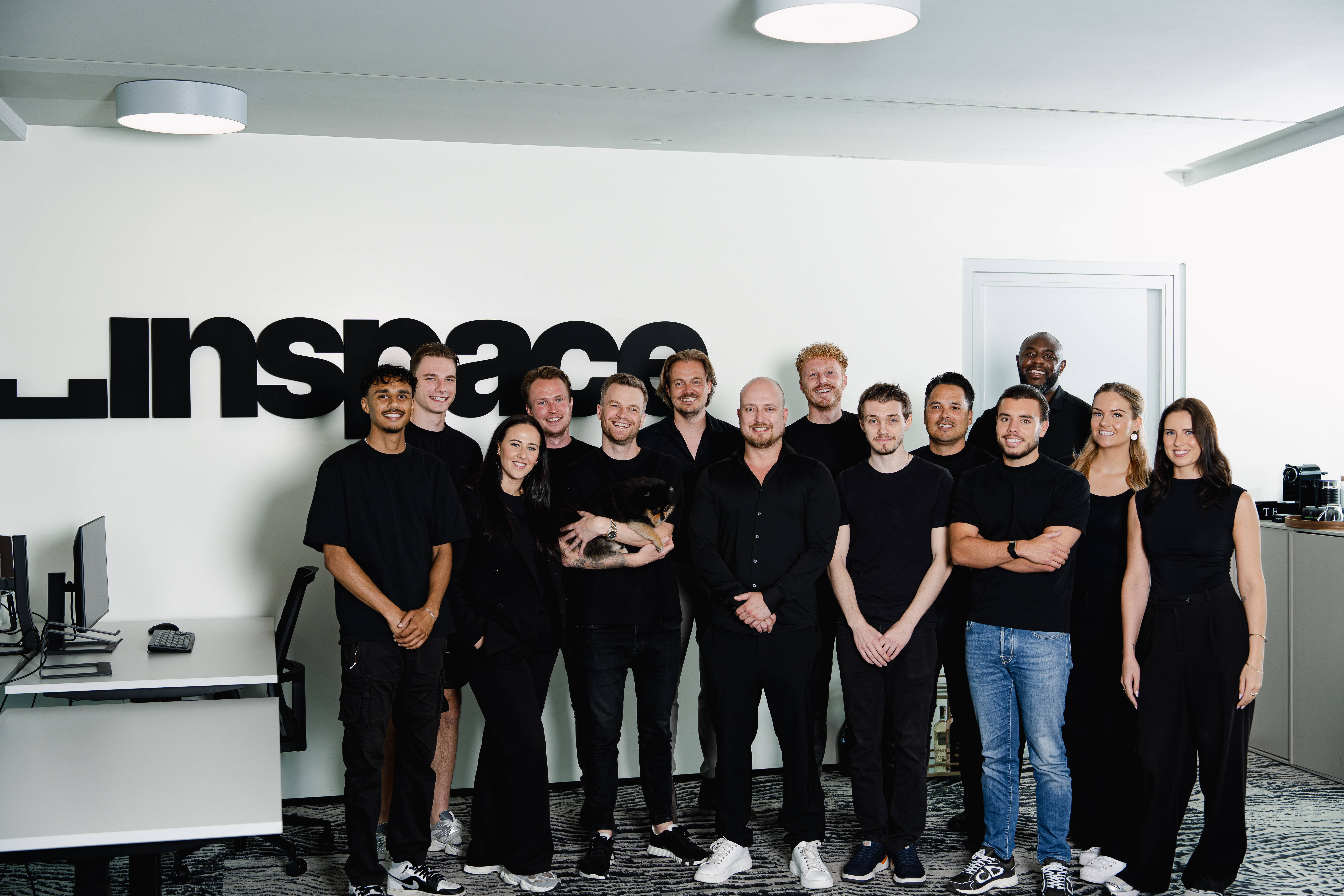
1. InSpace
InSpace is a strong fit for Shopify brands that want AI-assisted SEO beyond simple app-level tweaks. Its platform is built around workflows such as content drafting, query clustering, metadata support, semantic SEO, and predictive SEO analysis, which makes it especially relevant for stores trying to grow organic traffic through structured content and scalable optimization.
What stands out is the broader SEO system approach. Instead of only handling one task like image compression or redirects, InSpace supports a wider workflow that can include holistic SEO analysis, content planning, product description support, landing page creation, and metadata production. For Shopify stores that need both strategy and execution help, that is more useful than relying on disconnected tools.
Best for:
- Content-led Shopify SEO
- Semantic clustering and topical expansion
- Product, landing page, and blog content workflows
- Teams that want AI plus SEO process support
Main limitation: it is not presented as a Shopify App Store utility for one-click technical fixes inside Shopify admin, so stores looking for a lightweight app-only setup may prefer a more native app for narrow tasks.
2. Tiny SEO, Speed & Image Optimizer
Tiny SEO is one of the more practical Shopify-focused options if your biggest SEO issues are technical hygiene and media-heavy performance. It combines image optimization, speed improvements, metadata support, broken link checks, redirects, and structured data features in one app.
That makes it valuable for merchants who want a broad maintenance layer without piecing together several smaller tools. Its AI features are not the entire story, but they do help with repetitive content elements like meta descriptions and image-related optimizations.
Best for:
- Image-heavy stores
- Page speed and technical cleanup
- Merchants who want one app covering several SEO basics
Main limitation: if your priority is content strategy, AI for keyword research, or editorial SEO at scale, this is less complete than a platform built for content and semantic growth.
3. Tapita AI SEO Optimizer
Tapita is a good option for Shopify stores that want a mix of AI assistance and technical SEO features inside a more app-driven setup. It typically covers site audits, metadata suggestions, structured data, broken links, speed improvements, and some keyword-related features.
Its value is in giving merchants a dashboard-style view of common SEO issues while also offering AI help for selected optimization tasks. For small to mid-sized stores that need guided SEO improvements without a deep in-house process, that can be enough to make steady progress.
Best for:
- General Shopify SEO maintenance
- Store owners who want guided recommendations
- Teams balancing technical and on-page tasks
Main limitation: the strategic depth is lighter than dedicated SEO platforms, especially if you need stronger content planning or more advanced competitive analysis.
4. SEOAnt – AI SEO Optimizer
SEOAnt is aimed at merchants who want ongoing SEO support with less technical friction. It usually focuses on automating recurring tasks such as issue detection, metadata edits, basic technical improvements, and store-level optimization suggestions.
For Shopify stores without a dedicated SEO specialist, that simplicity is a real advantage. It can reduce time spent on routine checks and surface problems before they affect rankings too much.
Best for:
- Beginner-friendly Shopify SEO workflows
- Routine optimization and monitoring
- Merchants who want easier maintenance
Main limitation: it is more of an efficiency tool than a complete growth engine. If your SEO plan depends on large-scale content production, deeper clustering, or advanced strategy, you will likely need something else alongside it.
5. Surfer SEO
Surfer SEO is most useful for Shopify brands investing in blog content, collection page copy, and supporting editorial pages. It is not a Shopify-native technical SEO tool, but it does help teams create and optimize content using SERP-based recommendations, structure guidance, and topical coverage signals.
If your store already has the technical basics covered, Surfer can help improve the quality and completeness of informational and commercial content. That is particularly useful for stores targeting non-branded searches through buying guides, comparison pages, or educational blog content.
Best for:
- Content optimization
- Blog-led SEO for Shopify
- Teams improving existing content rather than fixing technical setup
Main limitation: it is not built to handle Shopify-specific technical tasks such as redirects, schema implementation, or platform cleanup.
6. Jasper
Jasper works best as a content production tool for Shopify SEO teams that need to create product descriptions, blog articles, landing page copy, and metadata faster. Its main strength is scaling content creation while keeping tone more consistent than many basic AI writers.
For ecommerce SEO, that matters when you need to expand category support content, refresh weak product pages, or draft large volumes of SEO copy without starting from a blank page every time.
Best for:
- AI-assisted copywriting for Shopify SEO
- Brand-aligned product and landing page content
- Marketing teams producing content at volume
Main limitation: Jasper helps create content, but it does not replace SEO judgment. It will not solve technical Shopify issues, and its output still needs editing for accuracy, intent match, and duplication control.
7. Alli AI
Alli AI is a stronger fit for larger ecommerce teams that need to make on-page changes at scale. It is often used for bulk optimization tasks such as titles, headings, internal SEO edits, and broader on-page deployment workflows.
For Shopify stores with big catalogs or multiple stakeholders, that kind of scale can be valuable. Instead of updating elements page by page, teams can push larger optimization changes more efficiently.
Best for:
- Larger stores and teams
- Bulk on-page SEO updates
- Enterprise-style workflow efficiency
Main limitation: it can be more than smaller merchants need, both in complexity and cost.
Quick comparison table
| Tool | Best for | Main strength | Watch out for |
|---|---|---|---|
| InSpace | Content-led and semantic Shopify SEO | Clustering, content drafting, metadata, predictive workflows | Not positioned as a lightweight Shopify app utility |
| Tiny SEO | Technical cleanup and performance | Speed, images, redirects, structured data | Less focused on content strategy |
| Tapita AI SEO Optimizer | General Shopify SEO maintenance | Audit plus optimization support | Less strategic depth for advanced SEO programs |
| SEOAnt | Easy ongoing optimization | Beginner-friendly automation | Limited as a full growth system |
| Surfer SEO | Content optimization | SERP-driven writing guidance | Not built for Shopify technical SEO |
| Jasper | SEO copy production at scale | Fast drafting for multiple page types | Needs editing and human SEO review |
| Alli AI | Large-scale on-page deployment | Bulk optimization workflows | Can be too heavy for smaller stores |
Which tool should you choose?
The right choice depends on the bottleneck inside your Shopify SEO workflow.
- If technical SEO is the problem: start with Tiny SEO, Tapita, or SEOAnt.
- If content production is the problem: look at Jasper or InSpace.
- If content optimization is the problem: Surfer SEO is a strong add-on.
- If scale is the problem: Alli AI fits larger teams handling bulk changes.
- If you need a broader SEO system for Shopify growth: InSpace is the most complete fit on this list for combining AI-assisted content, clustering, metadata, and SEO workflow support.
In practice, many stores use more than one tool. A Shopify brand might use one app for technical maintenance, another for content optimization, and a broader platform for planning and production. What matters is avoiding overlap and choosing software that solves the most expensive SEO problem first.
How to get better results from AI SEO tools on Shopify
AI can speed up SEO work, but it does not remove the need for prioritization. To get value from any of these tools:
- Audit before automating – Fix the biggest technical and content gaps first.
- Use AI for scale, not blind publishing – Review titles, descriptions, and page copy before pushing them live.
- Focus on commercial pages – Product pages, collection pages, and key landing pages usually produce the fastest return.
- Support Shopify SEO with content – Collections alone rarely capture all search demand. Blog and guide content can expand reach.
- Measure what changes – Track visibility, indexed pages, organic sessions, and conversion impact after updates with consistent performance monitoring.
FAQ
Are AI SEO tools worth it for small Shopify stores?
Yes, if they save time on work you would otherwise skip. Small stores usually benefit most from tools that help with metadata, image optimization, audits, and content drafting rather than enterprise-scale platforms.
Can one AI SEO tool handle everything for Shopify?
Usually not. One tool may be strong for technical fixes, another for copy, and another for content optimization. The best setup depends on whether your main issue is technical SEO, content quality, or scaling execution.
Will AI-generated Shopify SEO content rank on its own?
No. AI can help draft faster, but rankings still depend on search intent analysis with AI, originality, internal linking, technical quality, and editorial review. Unedited AI content is rarely the best long-term approach.
What is the best AI SEO tool for Shopify product descriptions?
If your main goal is generating product descriptions and related SEO copy at scale, Jasper and InSpace are both relevant options. Jasper is mainly a writing tool, while InSpace is better suited if you also want broader SEO workflow support around content and metadata.
What is the best AI SEO tool for Shopify technical SEO?
For technical housekeeping inside Shopify, tools like Tiny SEO, Tapita, and SEOAnt are usually the most relevant because they focus on issues such as speed, broken links, structured data, and recurring optimization tasks.