InSpace logo
Schedule free demo

LATEST NEWS

THE FUTURE OF SEO. WRITTEN TODAY

Inside the InSpace Blog you’ll find AI-driven SEO tactics, automation strategies, and growth hacks designed to outsmart competitors and dominate the SERPs.


JavaScript SEO: Best Practices for Crawlability, Rendering and Indexing

SEO

JavaScript SEO: Best Practices for Crawlability, Rendering and Indexing

JavaScript can power fast, dynamic websites, but it also changes how search engines discover, render, and index content. When important SEO elements depend on client-side execution, pages can become slower to process, harder to crawl, or easier to misinterpret. Good JavaScript SEO is about making sure critical content, links, and directives remain clear to Google from the first request through rendering.
Canonical Tags SEO: How to Use Canonical URLs Correctly

SEO

Canonical Tags SEO: How to Use Canonical URLs Correctly

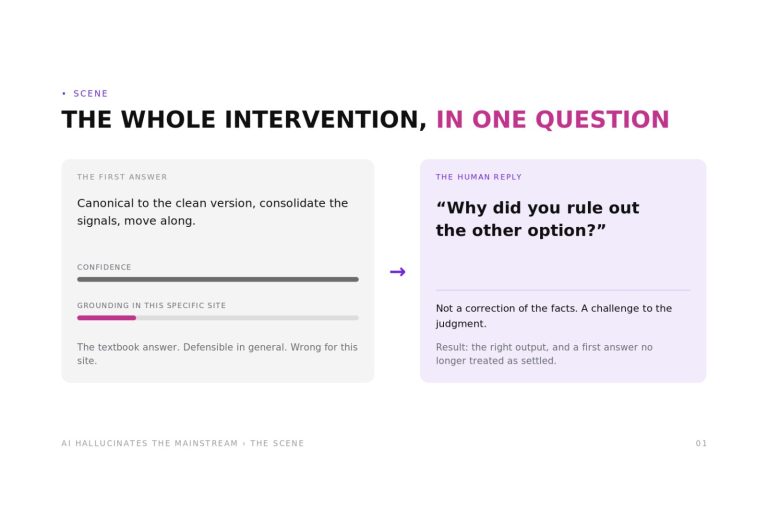
Canonical tags help search engines understand which URL should be treated as the preferred version of a page. When the same or very similar content exists at multiple URLs, a correct canonical setup can consolidate signals, reduce indexing confusion, and improve how your pages are interpreted in search. For growing websites, it is one of the simplest ways to bring more control to technical optimization.
SEO for Product Pages: Best Practices That Improve Rankings and Revenue

SEO

SEO for Product Pages: Best Practices That Improve Rankings and Revenue

Product pages are often where high-intent organic traffic turns into revenue. If these pages are thin, duplicated, slow, or poorly structured, you do not just lose rankings - you lose ready-to-buy visitors. Strong product page SEO helps search engines understand each page, helps users compare options quickly, and helps more sessions end in action.
Ecommerce SEO Strategy: A Practical Framework for Scalable Growth

SEO

Ecommerce SEO Strategy: A Practical Framework for Scalable Growth

An effective ecommerce SEO strategy does more than grow traffic. It helps the right category pages, product pages, and supporting content appear for high-intent searches, then turns that visibility into revenue. For most online stores, the biggest gains come from aligning search intent, site structure, technical control, and conversion-focused page optimisation.
Semantic Keyword Clustering: What It Is and How to Use It for Better SEO

SEO

Semantic Keyword Clustering: What It Is and How to Use It for Better SEO

Learn what semantic keyword clustering is, how it differs from basic keyword grouping, and how to use it to build better content briefs, internal links, and search-intent led SEO strategies.
SEO Proposal Template: What to Include and How to Win Clients

SEO

SEO Proposal Template: What to Include and How to Win Clients

Use this SEO proposal template to structure clear, persuasive proposals that explain scope, deliverables, timeline, pricing, terms, and next steps so clients can say yes with confidence.
AI Content Creation Examples for SEO and Marketing Teams

SEO

AI Content Creation Examples for SEO and Marketing Teams

AI content creation works best when it solves specific production bottlenecks, not when it is treated like a magic button. For SEO teams, marketers, and growing businesses, the real value is faster research, cleaner first drafts, and easier scaling across pages and channels.
SEO KPI Report: What to Include and How to Measure SEO Performance

SEO

SEO KPI Report: What to Include and How to Measure SEO Performance

An SEO KPI report should do more than list rankings and traffic. It should show whether organic search is improving visibility, attracting the right visitors, and contributing to leads or revenue. If your report cannot explain performance clearly or guide next actions, it is not doing its job.
LLMO vs SEO: What Actually Changes in an AI-First Search Landscape?

SEO

LLMO vs SEO: What Actually Changes in an AI-First Search Landscape?

LLMO vs SEO is not really a battle between two separate disciplines. In practice, SEO still covers the foundation of search visibility, while LLMO describes a newer layer focused on how brands appear in AI-generated answers, recommendations, and citations. If you want sustainable organic growth, the smartest approach is not choosing one over the other - it is understanding how modern SEO expands to include AI visibility.
White Label SEO Reporting: What It Is, What to Look For, and What InSpace Supports

SEO

White Label SEO Reporting: What It Is, What to Look For, and What InSpace Supports

White label SEO reporting helps agencies and SEO teams present performance data under their own brand instead of a third-party tool's identity. Done well, it creates a cleaner client experience, keeps reporting consistent, and makes SEO results easier to communicate. If you are comparing platforms, the key is to separate true white label functionality from strong reporting software that is not fully white label.
background illustration background illustration

BOOK YOUR LAUNCH WINDOW

START YOUR MISSION WITH INSPACE

Schedule your free growth session today and discover how we can elevate your brand using the science and soul of modern SEO marketing. Our crew is on standby to chart your ideal course.