Choosing an SEO platform for agencies is rarely about finding the tool with the longest feature list. The real question is whether the platform helps your team manage execution across multiple client sites, reduce manual work, and prove progress without adding more operational complexity.
For many agencies, the best setup is not just another dashboard. It is a platform or system that supports strategy, content production, optimization, publishing workflows, and ongoing monitoring in a way that can scale. That is where the difference between generic SEO tools and a true agency-ready SEO platform becomes clear.
What an agency actually needs from an SEO platform
An SEO platform for agencies should help teams handle repeatable SEO work across many client accounts without turning every task into a custom process. If your team is still stitching together keyword research, briefs, content production, technical fixes, publishing, and reporting by hand, growth usually creates more bottlenecks instead of more margin.
The strongest platforms support the parts of SEO that agencies repeat every month:
- Planning – turning search demand into a clear content and optimization roadmap
- Execution – producing and improving pages at a consistent pace
- Publishing workflows – moving work into the CMS without unnecessary friction
- Performance monitoring – tracking what is improving, what is stalling, and what needs adjustment
- Scalability – handling more sites, markets, and pages without multiplying manual hours
This is why agencies often outgrow isolated tools. A standalone crawler, keyword database, or reporting tool can still be useful, but on its own it does not solve the operational challenge of delivering SEO at scale.
How to evaluate an SEO agency platform
If you are comparing platforms, focus on workflow fit before feature depth. A platform can look powerful in a demo and still create friction when your team tries to use it across multiple clients.
Multi-site execution
Agencies need a setup that can support ongoing SEO work across many websites, not a tool designed around one business managing one domain. That includes the ability to prioritize opportunities, organize work by site or cluster, and keep execution moving across a portfolio.
Automation that removes real manual work
Automation only matters if it replaces repetitive work your team would otherwise do by hand. In practice, that usually means help with content planning, optimization workflows, clustering, publishing support, and recurring performance checks — including programmatic SEO to scale page creation and templates across many client sites. If the platform still requires heavy manual intervention for every deliverable, the time savings may be smaller than they appear.
CMS compatibility
An agency platform becomes much more useful when it can work across major CMS environments. That matters because delivery slows down fast when every client site needs a different manual process to publish or update SEO work.
Strategy plus execution
Competitive analysis helps identify gaps and opportunities, but it must connect to implementation. Some tools are excellent for analysis but weak at implementation. Agencies usually need both. Research alone does not create growth unless it turns into published pages, optimized content, technical improvements, and a repeatable roadmap.
Clear performance visibility
You need enough monitoring to understand whether the work is driving visibility and where to adjust next. For agency teams, this is less about vanity metrics and more about seeing what content is gaining traction, which clusters need support, and where momentum is building.
Operational efficiency
The best SEO platform for agencies should reduce handoffs, shorten production cycles, and make delivery more predictable. That operational benefit is often more valuable than having dozens of extra features your team rarely uses.
Why many agencies move from tool stacks to SEO systems
A traditional stack often grows tool by tool: one platform for keyword research, another for content briefs, another for technical checks, another for dashboards, and then a mix of docs, spreadsheets, and CMS plugins to hold it all together.
That approach can work, especially for mature teams with established processes. But it also creates familiar problems:
- Too much manual coordination between strategy, writing, optimization, and publishing
- Slower turnaround when every deliverable passes through multiple tools and people
- Inconsistent output across clients because the process depends on who is handling the work
- Higher delivery cost as more effort goes into administration instead of execution
- Harder scaling when adding more clients means adding roughly the same amount of manual work
That is why many agency leaders start looking for an all in one SEO platform or a more integrated SEO agency platform. The goal is not simplification for its own sake. It is better delivery economics, more consistent execution, and a clearer path to scale.
When an automated SEO system is a better fit
If your agency model depends on repeatable SEO delivery, an automated SEO software system may be a stronger fit than a loose collection of separate tools. This is especially true when content production, clustering, optimization, and publishing workflows are central to your service.
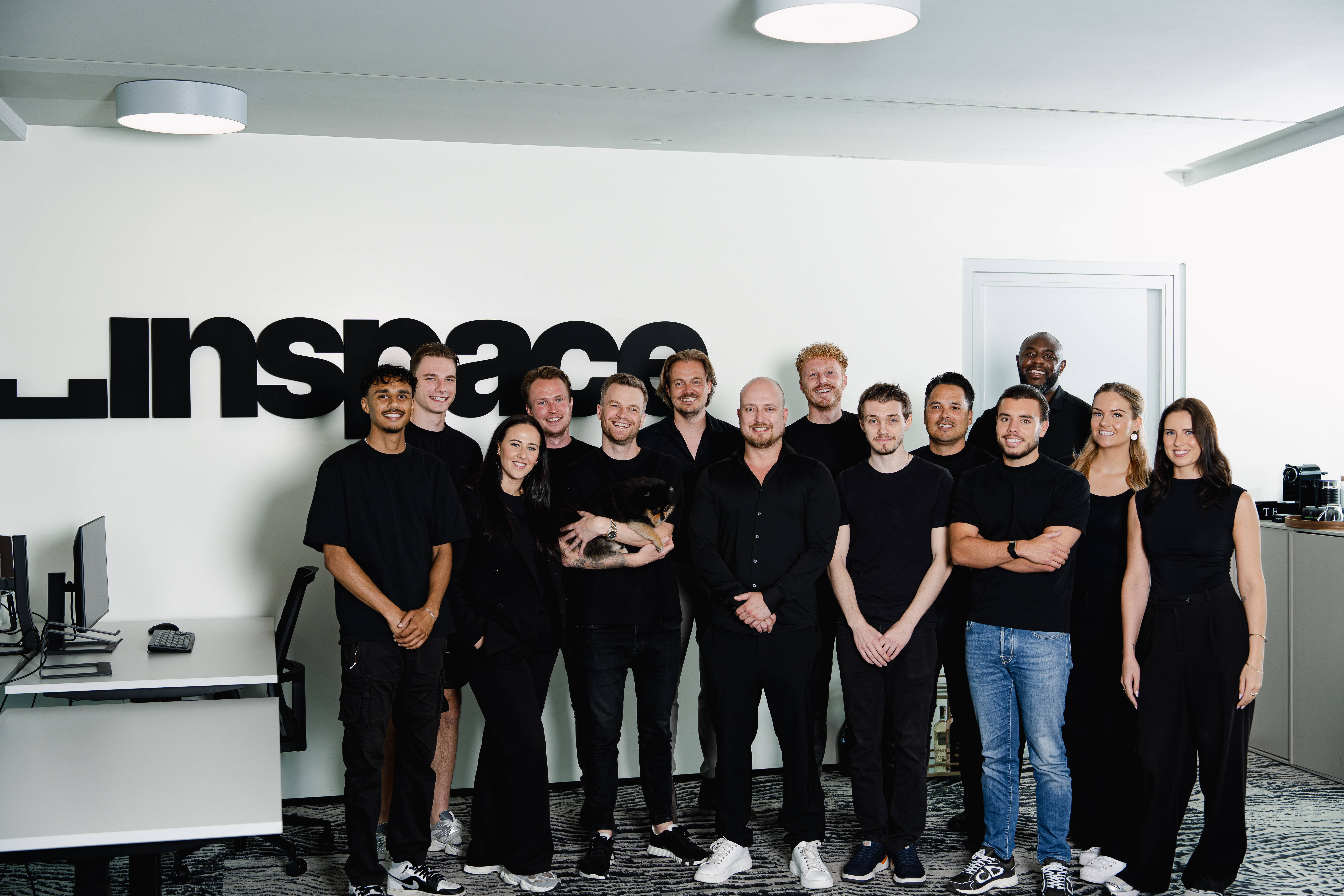
At InSpace, Nova is positioned as an AI-powered SEO system that supports automated SEO execution across major CMSs. Based on the confirmed offer context, it is used together with SEO services rather than clearly presented as a standalone, self-serve agency software product. That distinction matters.
For agencies or teams evaluating options, a system like this can make sense when you want:
- More automation in ongoing SEO execution, not just more reporting or analysis
- Support for content creation and optimization workflows at scale
- A process that combines software with expert oversight
- A subscription-based delivery model instead of building and managing the full workflow internally
In other words, if you are searching for the best SEO platform for agencies but your deeper need is scalable SEO fulfillment, a managed platform-plus-service model may be more relevant than another self-serve tool.
What to expect from a strong platform in practice
Whether you choose a software-heavy stack or a more managed SEO system, the platform should help you produce better outcomes with less operational drag. In practical terms, that usually means:
- Faster move from research to published work
- Better consistency across service pages, category pages, and long-tail content
- A clearer structure for topic clusters and search intent coverage
- Ongoing optimization instead of one-off deliverables
- More scalable SEO output without matching growth in manual effort
Those are the outcomes that matter most for agencies trying to grow margins and client results at the same time. For real-world examples agencies present to clients, explore case studies.
How to choose the right option for your agency
The right choice depends less on brand popularity and more on how you deliver SEO today.
- If you need deep research flexibility, a traditional stack may still be the best fit for your team.
- If your main bottleneck is execution, an integrated or automated system will usually create more value than adding another specialist tool.
- If your team spends too much time coordinating content production, look closely at platforms with strong SEO platform features that support strategy, creation, optimization, and publishing workflows together.
- If you want scalable delivery without building the whole process in-house, a managed system backed by expert oversight can be a strong alternative.
The most important question is simple: does the platform help your agency deliver SEO more efficiently, more consistently, and across more client sites without creating new layers of manual work? If you are comparing plans, review pricing.
FAQ
What is the difference between an SEO tool and an SEO platform for agencies?
An SEO tool usually solves one part of the workflow, such as audits, rank tracking, or keyword research. An SEO platform for agencies supports a broader delivery process across multiple sites or clients. The more your team needs repeatable execution, the more platform-level workflow matters.
Do agencies need an all in one SEO platform?
Not always. Some agencies operate well with a specialist stack. But when growth is limited by manual coordination, an all in one SEO platform or an integrated SEO system can improve efficiency and make delivery easier to scale.
What should agencies prioritize first when comparing platforms?
Start with your biggest operational bottleneck. If reporting is the issue, prioritize reporting workflows. If content production and optimization are the bottleneck, prioritize execution features. If the real problem is scaling SEO delivery across many sites, focus on automation, CMS compatibility, and end-to-end workflow support.
Is white-label reporting essential in every SEO agency platform?
No. It matters most for agencies that want client-facing dashboards under their own branding. For other teams, execution efficiency and performance visibility may matter more than white-label features.
Is Nova a standalone agency software platform?
Based on the confirmed offer context, Nova is presented as an AI-powered SEO system used within InSpace’s subscription-based SEO services. It supports automated strategy, content creation, optimization, publishing workflows, and monitoring across major CMSs, but there is no clear confirmation that it is offered as a standalone self-serve agency software product.