AI search citations are the source links, references, and brand mentions that appear inside AI-generated answers on platforms like ChatGPT, Gemini, Perplexity, and Google’s AI experiences. If your website is cited, your content is more likely to be seen as useful, trustworthy, and worth surfacing when users ask informational questions. For brands, this is no longer a niche SEO topic. It is quickly becoming part of how visibility, authority, and traffic are earned in the AI era.
What makes AI search citations different from traditional rankings is that the model is not just listing pages. It is selecting sources it can understand, trust, and use to support an answer. That means content structure, semantic relevance, topical depth, and clarity all matter. A page does not need to rank first in the classic sense to become citation-worthy, but it does need to be easy for AI systems to parse and strong enough to answer real search intent.
What AI search citations actually are
An AI search citation is a reference that an AI system uses when generating an answer. Depending on the platform, that citation may appear as a visible source link, a publisher mention, a domain reference, or a quoted snippet connected to the answer. In practice, citations help users verify where information came from and help AI platforms show that an answer is grounded in external sources.
For website owners and marketers, AI search citations matter because they can influence brand discovery far earlier in the user journey. Instead of waiting for someone to click through a ten-blue-links result page, your brand can be introduced directly inside the answer experience. That makes citation visibility valuable for awareness, trust, and qualified traffic.
Why AI search citations matter for SEO and GEO
Traditional SEO focuses on earning visibility in search engine results pages. GEO, or generative engine optimization, expands that goal to AI-generated answers. The objective is not only to rank, but to become one of the sources AI systems rely on when they summarize, compare, explain, or recommend.
That shift changes what strong content looks like. Pages need to answer a clearly defined query, cover the topic with enough precision, and present information in a format machines can interpret confidently. If your content is vague, thin, overly promotional, or poorly structured, it becomes harder for AI platforms to use it as supporting evidence.
- Higher brand visibility inside AI answers
- More trust when your domain is referenced as a source
- Stronger discovery for long-tail and question-based searches
- A better chance of influencing informational journeys before the click
How AI systems choose sources to cite
No public platform reveals its full source-selection system, but the patterns are increasingly clear. AI platforms prefer content that is easy to interpret, directly relevant to the prompt, and supported by clear topical context. They also appear to favor sources that demonstrate expertise, consistency, and strong information architecture.
In other words, AI search citations are rarely won by accident. They are usually the result of content that aligns with intent and removes ambiguity.
Relevance to the exact question
If a user asks a specific question, AI systems look for pages that answer that exact issue rather than pages that only mention it in passing. That is why long-tail pages and question-based articles are often powerful in AI search.
Clarity and extractability
AI models need to identify the core claim quickly. Clear headings, direct definitions, short explanatory paragraphs, and tightly grouped subtopics make content easier to extract and cite. Implement source citation markup to help AI systems attribute and display your content correctly.
Topical trust
A site that consistently publishes useful, semantically connected content around a subject is easier to trust than a site with one isolated page and little supporting context. Topic clusters and well-structured hubs strengthen citation potential.
Evidence and specificity
Pages that make precise statements, explain terms clearly, and avoid unsupported fluff are more usable as citations than pages full of generic marketing language.
AI search citations are not the same as fact-checking
A citation inside an AI answer does not automatically mean the answer is perfectly correct, and it does not mean the source agrees with every part of the generated output. In many cases, the AI is using the cited page as supporting context rather than performing strict factual verification. That distinction matters.
For brands, the goal is not to manipulate AI systems into citing weak content. The goal is to publish pages that genuinely help answer real questions. Strong citation-oriented content is useful even outside AI search because it also improves clarity for users, supports organic SEO, and creates stronger topical coverage across the site.
What makes a page citation-worthy in AI search
Most high-ranking competitor pages around this topic stay broad and feature-focused. The practical opportunity is to be more explicit about what makes content citable. A citation-worthy page usually combines strong intent matching with clean structure and credible, easy-to-reuse information.
- A clear primary topic with one dominant search intent
- A direct answer near the top of the page
- Logical heading structure that breaks down the subject
- Semantically related supporting terms and subtopics
- Concrete explanations instead of vague claims
- Internal context from related pages and clusters
- Updated information where freshness matters
Common reasons content fails to earn AI citations
Many pages are technically indexed but still unlikely to be cited. The problem is often not visibility alone. It is usability from the AI system’s perspective.
- The page is too broad and does not answer one clear question
- The copy is heavily sales-driven and low on informational value
- The structure is messy, making extraction difficult
- The topic is mentioned but not actually explained
- The page lacks supporting context from related content
- The language is generic and interchangeable with dozens of other pages
If you want more AI search citations, your content needs to be useful enough to quote, summarize, or reference. Thin pages rarely reach that bar.
How to optimize content for AI search citations
Optimizing for AI search citations starts with intent. You need to know what the user is asking, what kind of answer the platform is likely to assemble, and what type of source would be useful in that answer. From there, page structure and topical depth become the priority.
Start with long-tail, question-based topics
AI platforms frequently handle nuanced, natural-language queries. That makes long-tail and question-driven content especially valuable. Instead of targeting only broad commercial terms, build pages around specific informational needs your audience actually has.
Create pages with one job
Each page should solve a clearly defined problem. If a page tries to rank for everything, it often becomes too diluted to cite. Focused pages are easier for both users and AI systems to understand.
Use semantic structure
Relevant subtopics should support the main topic naturally. This helps AI models understand the full context of the page. Semantic SEO is not about stuffing related phrases. It is about covering the topic in a way that reflects how people actually search and how models connect ideas. Strong entity-based SEO can also reinforce those signals.
Make the answer easy to extract
Define the topic early, use descriptive headings, keep paragraphs tight, and avoid filler. If a useful answer is buried under vague introduction copy, your citation odds drop.
Support pages with clusters and hubs
AI systems do not evaluate pages in total isolation. A broader content ecosystem helps. Clustered informational pages, category hubs, and aligned service content can all strengthen your site’s authority on a topic.
SEO vs AI search citations
SEO and AI citation optimization overlap, but they are not identical. Traditional SEO is still essential because AI systems often rely on content that is already discoverable, authoritative, and well-structured. But AI answers introduce a new layer where extractability and answer utility carry more weight.
| Area | Traditional SEO | AI search citations |
|---|---|---|
| Primary goal | Rank in search results | Be referenced inside AI answers |
| Content focus | Ranking signals and intent matching | Answer clarity, trust, and extractability |
| User journey | Click from SERP to page | Brand discovered inside the answer |
| Best content type | Strong landing pages and topical assets | Focused informational pages and clusters |
Platforms where AI citations matter most
AI search citations are most visible on platforms where answers are generated and sources are surfaced directly in the interface. For many brands, the main environments to watch are ChatGPT, Gemini, Perplexity, and Google’s AI-powered search experiences. Each platform may display sources differently, but the underlying requirement is similar: content must be understandable, relevant, and reliable enough to support an answer.
This is one reason many businesses are moving beyond standard blog production and toward structured GEO strategies. The winner is often not the brand with the most content, but the one with the most usable content. For brands trying to be visible in Perplexity and AI search, that difference is especially important.
If Perplexity is a key channel, review How to optimize for Perplexity AI for platform-specific tactics.
How InSpace approaches AI search citations
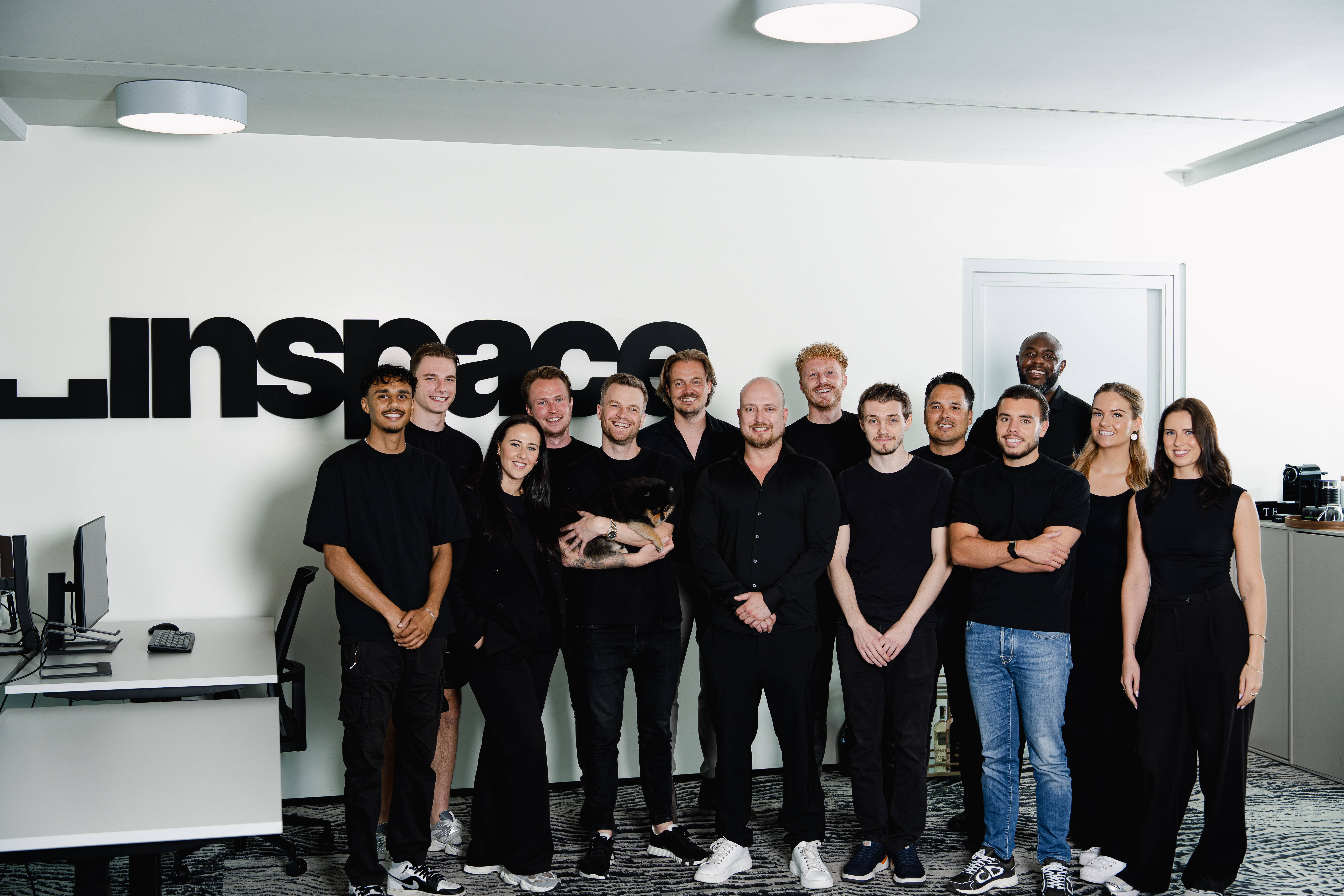
At InSpace, AI search citations fit within a broader GEO approach. The goal is to help websites become easier for AI models to understand, trust, and cite. That includes building the types of pages AI systems can use: long-tail articles, question-based content, informational landing pages, cluster-optimized hubs, and conversion-aligned service pages.
Through Nova, InSpace focuses on scaling that process with a mix of automation and senior SEO thinking. The aim is not to produce random AI content in bulk, but to create structured, semantically aligned content ecosystems that improve visibility in both classic search and AI answers. That matters for brands that want sustainable presence across Google, ChatGPT, Gemini, and Perplexity rather than one-off visibility wins.
How to measure whether you are improving citation potential
AI citation visibility is still less standardized than classic rankings, but you can still track useful signals. Instead of relying on one metric, look for patterns that show whether your content is becoming more discoverable and more usable.
- Growth in impressions and clicks for long-tail informational queries
- Higher visibility across semantically related topic clusters
- Increased brand mentions or referrals from AI platforms where measurable
- Improved internal coverage for question-based search intent
- Stronger performance of pages designed to answer narrow user needs
In practice, better AI search citations often follow better information architecture and better content targeting. The work is strategic before it becomes measurable.
FAQ about AI search citations
What are AI search citations?
AI search citations are source references used inside AI-generated answers. They can appear as links, domain mentions, source cards, or quoted references, depending on the platform.
Why are AI search citations important?
They help your brand appear in the answer itself, not just in traditional rankings. That can increase trust, visibility, and early-stage discovery during informational searches.
Are AI search citations the same as backlinks?
No. Backlinks are links from one website to another. AI search citations are references inside generated answers. They may send traffic, but they are not the same as link-based authority signals.
Can a page earn AI citations without ranking number one in Google?
Yes. A page can be cited if it is highly relevant, clear, and useful for the exact question being answered. Strong traditional SEO still helps, but first position is not the only path.
What kind of content is most likely to be cited by AI?
Focused informational content works best in many cases. Pages that define a topic, answer a specific question, explain a process clearly, or cover a narrow long-tail intent tend to be more citation-friendly.
How do you improve your chances of being cited in ChatGPT, Gemini, or Perplexity?
Improve topical clarity, build semantic clusters, publish question-based content, tighten page structure, and make your information easy to extract. A strong GEO strategy usually supports all of these areas. If you need a quick primer on what LLMO means, that concept sits closely alongside this work.
Does AI-generated content help with AI search citations?
Not by default. Content only helps if it is accurate, useful, well-structured, and aligned with real intent. Low-quality AI copy can reduce citation potential instead of improving it. It also helps to understand how to ask AI for sources and citations when evaluating how these systems surface references.
Is AI citation optimization different from semantic SEO?
They overlap heavily. Semantic SEO helps search engines and AI systems understand topic relationships. AI citation optimization applies that foundation specifically to earning visibility inside generated answers. For a more tactical next step, learn how to optimize for LLM answer engines.